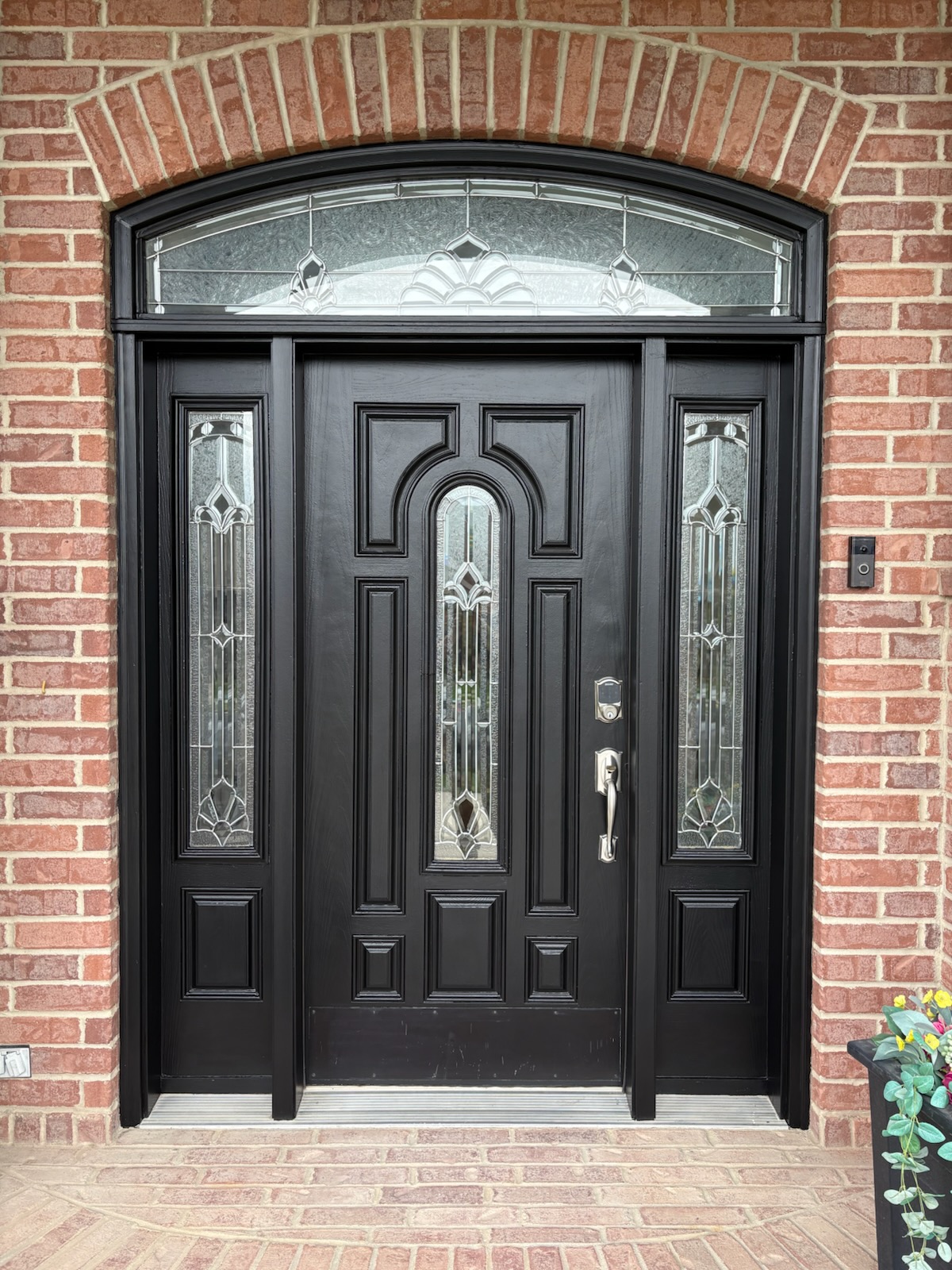
Seamless Style Transitions: Using Paint to Connect Indoor and Outdoor Spaces Jul 16, 2026
Understanding the Importance of Color Theory
Before diving into paint cans, consider the psychological aspects of color. Indoor and outdoor spaces often serve different purposes and require distinct atmospheres. Indoors, you might prioritize comfort and relaxation, while outdoor spaces might be about entertainment or revitalization. However, using complementary colors and shades can help bridge these areas, enhancing the overall flow of your home.
The key to creating a seamless transition lies in choosing a palette that ties these spaces together. Earthy tones like soft greens, warm beiges, or muted blues can create an inviting link from your living room to your garden. These colors tend to complement the natural elements found outdoors while maintaining the warmth and coziness needed indoors.
Selecting Durable Paints for All Environments
When painting both indoor and outdoor spaces, selecting the right type of paint is crucial for longevity and aesthetics. Interior paints are typically formulated for durability and washability but may not withstand the elements when used outside. Conversely, exterior paints are designed to resist harsh weather but may emit more volatile organic compounds (VOCs), which can be inappropriate indoors.
Luckily, hybrid paints are now available that offer the best of both worlds. These products provide excellent coverage, endure weather changes, and release minimal VOCs, making them suitable for both interiors and exteriors. When consulting with Daniel Paints & Builds, ask about eco-friendly options that protect the environment and your health.
Using Paint to Highlight Architectural Features
Another effective method of uniting indoor and outdoor spaces is to use paint to highlight architectural features that appear in both areas. For example, if your patio has stunning stonework, consider using the same color scheme in your living room. Similarly, if you have wooden beams inside and outside, a consistent wood stain can enhance the visual flow. Painting similar textures with matching colors or stains draws the eye and strengthens the connection between spaces.
Creating Accent Walls and Focal Points
Accent walls aren't just for indoor spaces. Outdoor areas can benefit from them too. Strategically placing accent colors on specific outdoor walls or pieces of furniture can draw people’s attention and highlight your home's best features. Often, a bold color used sparingly can create a focal point without overwhelming the serene aesthetic you are aiming for.
On the flip side, if your indoor space lacks a certain pop or personality, using an accent wall that complements the outdoor surroundings—as seen from the windows or doors—can create an enticing invitation to move between spaces.
Concluding Thoughts
Transforming your home into an interconnected living space doesn't require a complete overhaul—often, the power of paint is enough to bridge indoor and outdoor areas. By understanding color theory, choosing the right paint types, and thoughtfully applying colors to enhance architecture, Daniel Paints & Builds can help create a fluid and inviting home environment. Embrace the synergy of your space with expert painting strategies that unify and elevate your surroundings. Reach out to our team to explore how we can help on your journey to seamless style transitions.
/filters:no_upscale()/filters:format(webp)/media/ec117e9a-bf94-4e83-a2d9-085174d64db3.jpg)
/filters:no_upscale()/filters:format(webp)/media/a283af49-8ed3-4e73-b287-c79a765cb1ed.jpeg)