Seamless Outdoor-Indoor Flow: Creating Cohesion with Strategic Paint Choices Jul 03, 2026
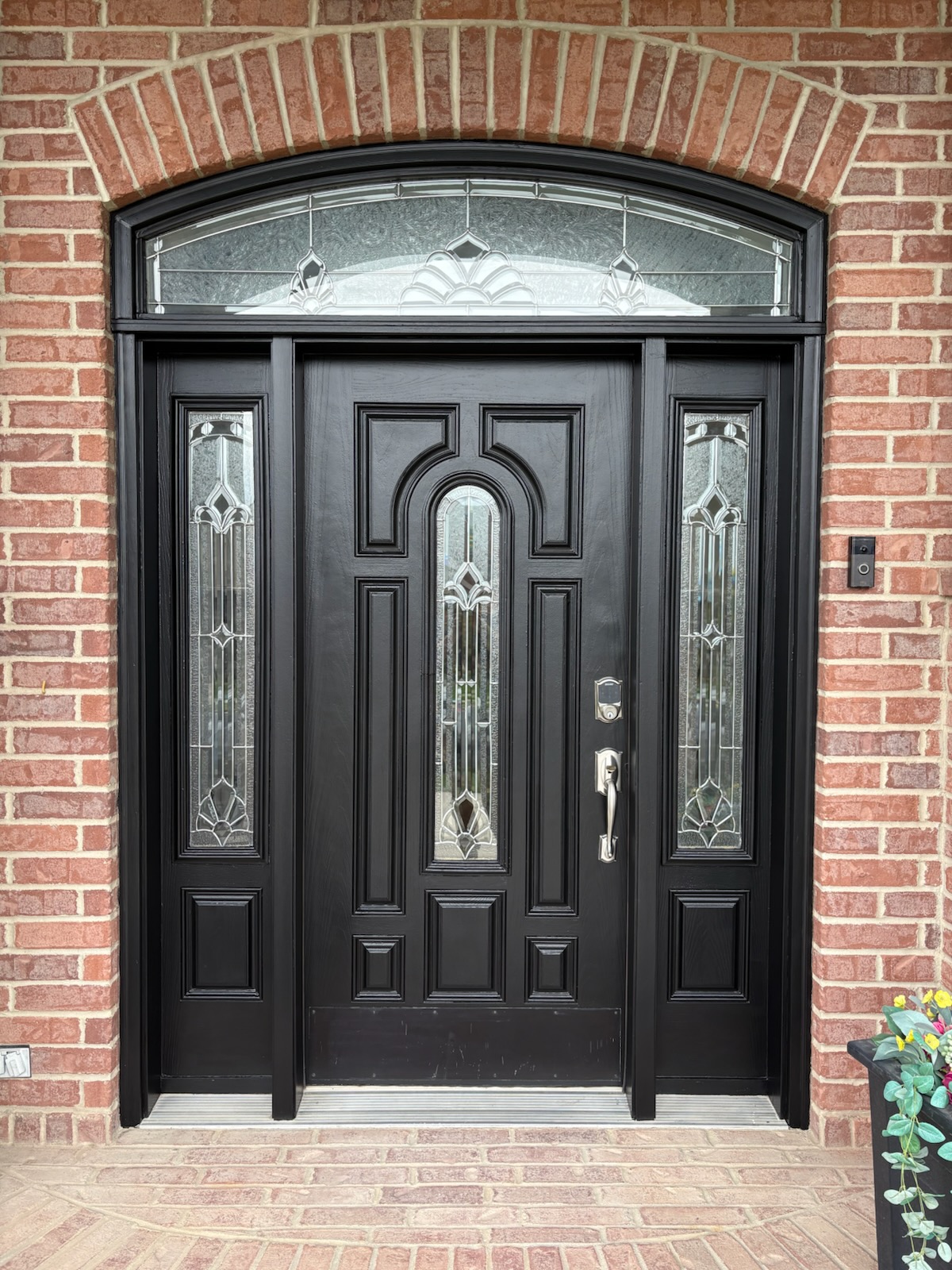
Begin your journey by examining the transition points between indoor and outdoor spaces. Often, these areas, like door frames, verandas, and window sills, are overlooked, but they are critical in establishing continuity. Choosing a color palette that subtly progresses from indoor to outdoor helps to blur the boundary between the two environments. For instance, if your interior space is painted in warm earth tones, consider extending those shades to your patio or deck in a slightly lighter or darker hue. This approach maintains a stylistic consistency while allowing for a distinct yet connected look.
Another essential factor in enhancing the outdoor-indoor flow is the choice of finishes. Interior walls typically have a flat or satin finish, which might not be suitable for outdoor use due to environmental factors. Opt for paints that are durable and weather-resistant for outdoor surfaces. A semi-gloss or gloss finish is often recommended for its ability to withstand varying weather conditions while keeping the aesthetic aligned with indoor finishes.
Lighting, both natural and artificial, plays a crucial role in how colors are perceived. The same color can look entirely different under various lighting conditions. For areas that bridge indoor and outdoor spaces, such as sunrooms or covered patios, select colors that look appealing under both natural sunlight and artificial lighting. Testing paint samples in both environments before making a final decision can ensure the colors will meet your expectations at different times of the day.
Textures can also contribute to both the look and feel of a space. Consider introducing elements like textured wall surfaces or decorative outdoor panels that can mimic or complement interior designs. This tactic can be especially effective if the indoor space features unique architectural elements that can be echoed outside. Additionally, using materials that bridge these spaces, such as similar wood finishes or stone surfaces, enhances the cohesive look.
To round out the indoor-outdoor cohesion, focus on accessories and furnishings. Choose outdoor furniture that coordinates with your interior aesthetic. Cushions, rugs, and planters that match your indoor decor can help tie the spaces together. These details create a sense of flow and continuity, offering a seamless transition when moving between spaces.
In conclusion, creating a seamless outdoor-indoor flow through strategic paint choices is not just about color but about crafting a holistic experience that bridges the gap between your home's interior and exterior. It involves thoughtful coordination of colors, finishes, textures, and accessories that together enhance the aesthetic unity of your living spaces. At Daniel Paints & Builds, we are committed to helping you achieve this seamless flow, ensuring your home not only looks beautiful but feels perfectly connected all year round.
/filters:no_upscale()/filters:format(webp)/media/ec117e9a-bf94-4e83-a2d9-085174d64db3.jpg)
/filters:no_upscale()/filters:format(webp)/media/a283af49-8ed3-4e73-b287-c79a765cb1ed.jpeg)