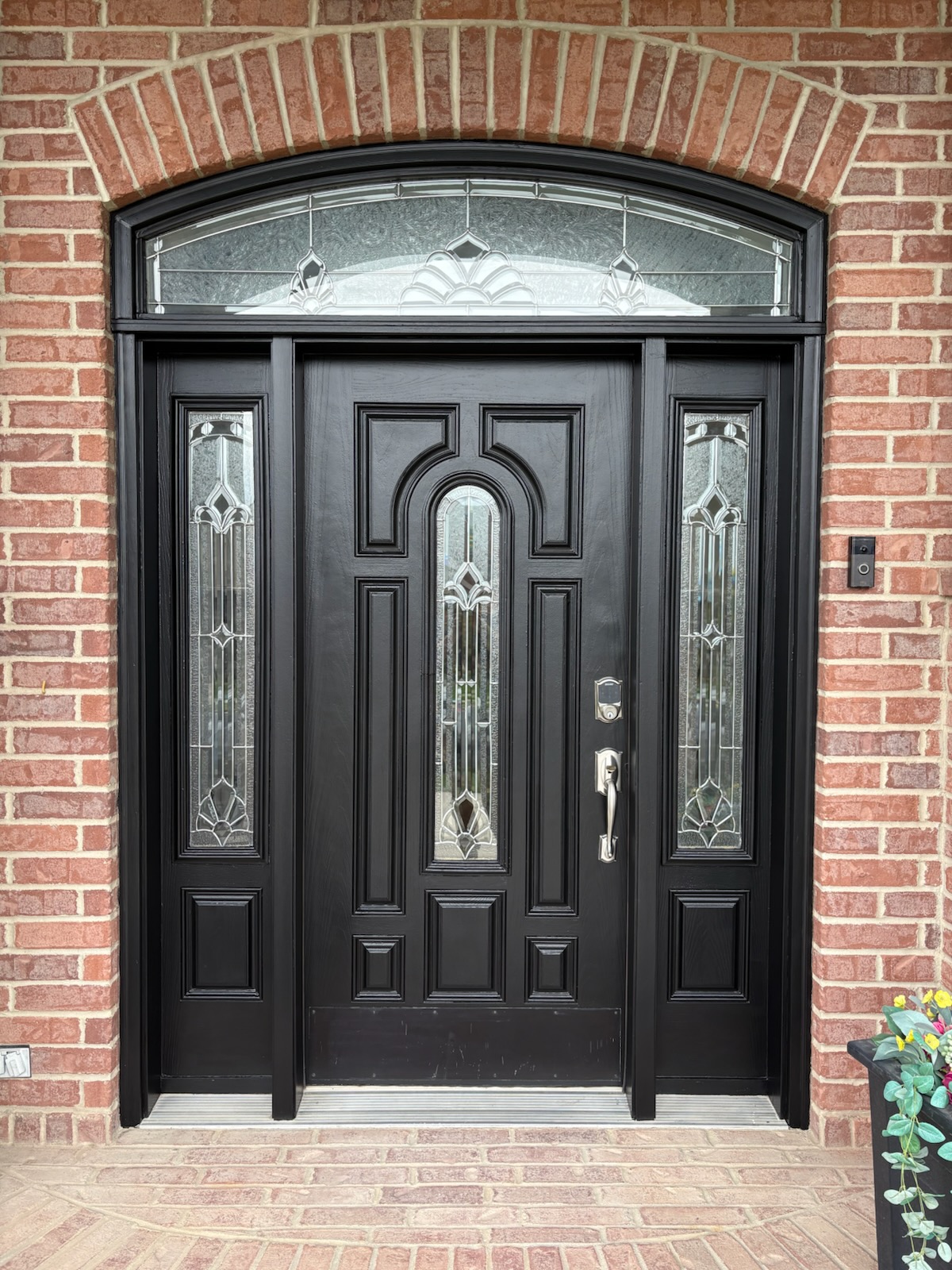
From Concept to Color: Integrating Architectural Features with Paint May 11, 2026
Understanding the architectural elements within your home is the first step. Whether it's crown molding, coffered ceilings, or wainscoting, each feature has its unique charm and purpose. Recognizing these characteristics will guide the next steps in your design journey. For instance, molding can be highlighted with contrasting colors to bring elegance and definition. On the other hand, expansive ceilings can benefit from lighter hues to create an illusion of height or darker shades for a more intimate atmosphere.
Once you've identified your architectural features, the next step is selecting colors that not only enhance these elements but also work harmoniously together. A thorough understanding of color theory can be immensely helpful. Complementary colors, for instance, can be used to draw attention to focal points such as fireplaces or vaulted ceilings. Meanwhile, analogous colors offer a subtle, cohesive look that can bring a sense of calm to a room. Your choice should reflect the mood you wish to evoke.
Texture and finish play a significant role in the final outcome. Matte finishes can absorb light and add depth, making them ideal for walls with imperfections. In contrast, a glossy finish reflects light, emphasizing details and making spaces like kitchens and bathrooms appear larger and brighter. Consider pairing a high-gloss paint on wooden trim with matte walls for an elegant juxtaposition that highlights architectural details.
Additionally, consider the lighting in each room when selecting your palette and finishes. Natural and artificial lighting can drastically alter the appearance of a color. Test your chosen shades in various lighting conditions to ensure they maintain their desired effect throughout the day. Remember that cooler shades can make a room feel expansive under bright light, while warm tones can create a cozy ambiance in dimmer settings.
The decision to use bold or muted colors often depends on personal taste and the function of the room. A dining room might benefit from deeper, richer shades, evoking a sense of luxury and warmth. In contrast, home offices or study areas may be better suited to cooler tones that promote focus and clarity. At Daniel Paints & Builds, we find that experimenting with samples on large poster boards can help visualize how different hues influence architectural features before making a commitment.
To bring your project to completion, ensure your color choices align with the overall design scheme of your home. Consistency is key, with subtle transitions between spaces offering a seamless flow that feels natural. If you're making substantial changes, like adding or removing features, consider consulting with professionals who can offer expertise on how these modifications might influence the look and feel of your color scheme.
In conclusion, the integration of architectural features with paint is a delicate balance between creativity and planning. By understanding the interplay of color, light, and texture, you can create harmonious interiors that highlight the best features of your home. Remember, the perfect combination is one that feels authentic to your style and enhances the architectural integrity of each space. Let Daniel Paints & Builds help guide you in bringing your vision from concept to color.
/filters:no_upscale()/filters:format(webp)/media/ec117e9a-bf94-4e83-a2d9-085174d64db3.jpg)
/filters:no_upscale()/filters:format(webp)/media/a283af49-8ed3-4e73-b287-c79a765cb1ed.jpeg)