Expert Advice on Pairing Paint with Textural Elements for Dynamic Interiors Dec 16, 2025
First, it’s essential to consider the mood you want to create. Color psychology plays a vital role in how a space is perceived. Warm colors like reds and oranges can create a cozy, inviting atmosphere, while blues and greens offer a calming effect. Once you’ve chosen a color palette, think about how textures can enhance these shades. Rough textures like brick or exposed stone can ground warm colors, adding a rustic charm. For cooler tones, pair them with smoother textures such as glass or polished metals to enhance their soothing qualities.
Texture can also add depth and interest to a room. If you are working with lighter paint colors like whites or pastels, introducing varied textures can prevent the room from feeling flat or sterile. Consider using textured wallpapers, sculptural elements, or fabric accents. A room painted in a soft white can be elevated by incorporating woven textiles, such as throw rugs or pillows, which add a layer of comfort and sophistication.
Pattern is another textural element to consider. Geometric patterns can pair beautifully with bold colors, creating a modern, dynamic look. Meanwhile, floral or abstract patterns can soften and complement more subdued hues. At Daniel Paints & Builds, we recommend using patterned accents in moderation to avoid overwhelming the space; they work best when used on a feature wall or through accent pieces.
Lighting is an often-overlooked aspect that can significantly impact the interplay between paint and texture. The way light falls across textured elements can change how paint colors appear. Natural lighting will highlight textures differently throughout the day, while artificial lighting allows you to control the atmosphere. For instance, softer lighting can accentuate the depth of textures, while bright bulbs may wash out or diminish intricate details.
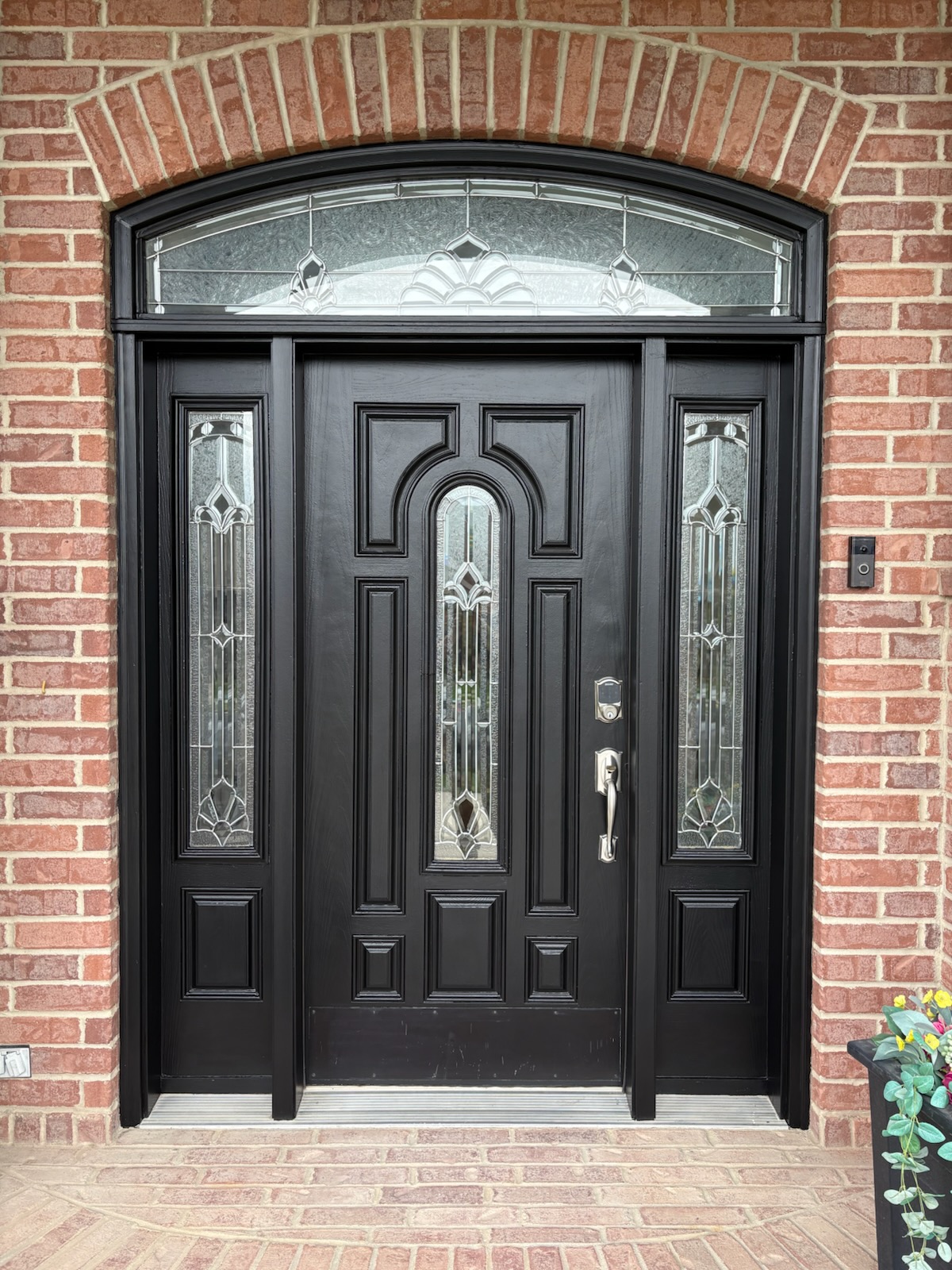
Choosing the right materials is crucial when integrating paint and texture. Brick, wood, and stone each bring their own unique character to a room. Painted brick can offer an industrial edge, while stained wood provides warmth and elegance. Consider the durability and maintenance of these materials as well; the team at Daniel Paints & Builds can provide advice on the best options for both style and function.
Ultimately, the goal is to create a cohesive look where paint and texture are in balance. Use texture to complement or contrast with your chosen paint colors to achieve the desired aesthetic. By considering how these elements work in tandem, you can create interiors that are not only visually appealing but also rich in texture and depth.
At Daniel Paints & Builds, we are passionate about helping our clients achieve their ideal home environment. If you are in the planning stages of a redesign or simply looking for advice on selecting the right materials and colors, our experts are ready to assist. Combining paint with textural elements doesn’t have to be a daunting task. With our expert guidance, your interiors can come alive with personality and flair.
/filters:no_upscale()/filters:format(webp)/media/ec117e9a-bf94-4e83-a2d9-085174d64db3.jpg)
/filters:no_upscale()/filters:format(webp)/media/a283af49-8ed3-4e73-b287-c79a765cb1ed.jpeg)