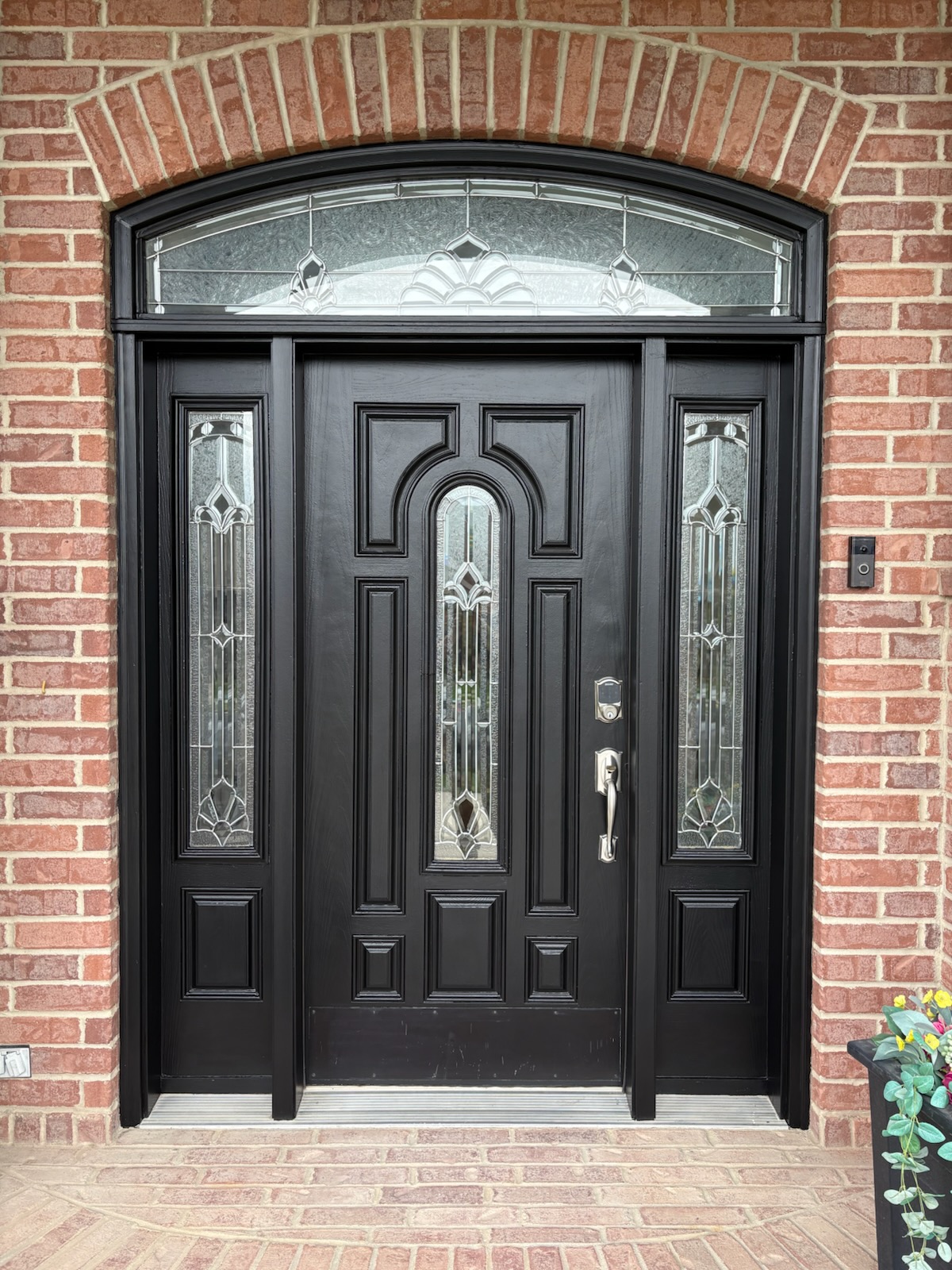
Camouflage Creations: Using Paint to Blend Architectural Features Seamlessly Sep 28, 2026
The magic begins with choosing the right color palette. When selecting paint colors, consider the existing elements of your architecture, such as the trim, molding, and built-ins. The goal is to select hues that complement or mimic these features, ensuring that they integrate smoothly into the overall aesthetic. For example, using the same color for the walls and trim can erase lines that otherwise make features stand out, thus creating a simplified and harmonious look.
Always consider the architectural style before reaching for the paintbrush. For a contemporary setting, consider neutral tones like soft grays and beiges that offer a clean, cohesive appearance. For more traditional homes, warm tones and muted pastels can help blend ornamental elements like wainscoting or crown molding into the walls. It's important to align your color choices with the intended atmosphere and style of the space.
Lighting also plays a significant role in how paint colors appear. Natural and artificial lighting have the power to alter the perception of paint hues significantly. Before finalizing your choice, observe sample paint colors in various lighting conditions throughout the day. This ensures that the colors blend seamlessly with architectural features under different lighting conditions, maintaining the intended look.
In some cases, architectural features may need enhancing rather than blending. This is particularly true with unique features like fireplaces or alcoves. Here, contrasting paint can be utilized to turn what might otherwise be mundane into a focal point. This strategic use of paint allows certain features to stand out while other less interesting parts quietly dissolve into the background.
Textured paint or faux finishes can also be innovative solutions for blending or highlighting architectural features. These techniques add depth and interest without overcrowding the visual space. Similar to how certain fabric textures naturally complement each other, textured paint encourages an interplay of shadows and light, achieving a sophisticated blend.
When it comes to blending, paint isn't just about color; finish plays a critical role too. Matte finishes can conceal imperfections and minimize differentiation between elements, making them ideal for walls. Conversely, using a glossy finish on trims or moldings situated amidst matte walls can subtly differentiate without harsh lines that disrupt unity.
In conclusion, using paint to blend architectural features seamlessly is an art that requires careful planning and execution. By choosing the right colors, considering the light, and wisely selecting finishes, you can transform your spaces into elegantly cohesive masterpieces. At Daniel Paints & Builds, our expertise is in crafting these hidden symphonies of color and texture that unify your architectural elements. It’s not just about aesthetics; it’s about enhancing your home's overall harmony. Whether you are embarking on a home renovation or building anew, remember that paint holds the power to make your architecture truly sing. Reach out to us to discover how we can assist you in achieving seamless architectural beauty through paint.
/filters:no_upscale()/filters:format(webp)/media/ec117e9a-bf94-4e83-a2d9-085174d64db3.jpg)
/filters:no_upscale()/filters:format(webp)/media/a283af49-8ed3-4e73-b287-c79a765cb1ed.jpeg)